.png)
Effective Approaches to Eating Disorder Recovery

Eating disorder recovery isn’t a straight path. It’s messy, complicated, and deeply personal. If you’re reading this, you might be wondering how to start or keep going on your journey. Maybe you’ve tried before and felt stuck. I get it. Recovery isn’t about perfection or quick fixes. It’s about finding what works for you and being gentle with yourself along the way.
Let’s dive into some effective approaches that can help you reclaim your relationship with food, your body, and your mind.
Understanding Eating Disorder Recovery: What It Really Means
When we talk about eating disorder recovery, it’s easy to think it’s just about eating “normally” again. But it’s so much more than that. Recovery means healing your mind and body, breaking free from harmful food rules, and learning to live without constant fear or shame around eating.
Here’s what recovery often looks like:
Rebuilding trust with your body: Listening to hunger and fullness cues without judgment.
Challenging negative thoughts: Recognizing and changing harmful beliefs about food and self-worth.
Creating a balanced relationship with food: No more “good” or “bad” foods, just nourishment.
Finding support: Whether through therapy, support groups, or trusted friends.
It’s not about reaching a perfect endpoint. It’s about progress, setbacks, and growth. And yes, it’s okay to ask for help. You don’t have to do this alone.

Practical Steps to Support Your Eating Disorder Recovery
You might be wondering, “What can I actually do today to feel better?” Here are some practical steps that can make a real difference:
1. Start with Small, Manageable Goals
Big changes can feel overwhelming. Instead, try setting small goals like:
Eating one balanced meal a day.
Drinking enough water.
Writing down one positive thing about your body.
These small wins build momentum and confidence.
2. Seek Professional Help
A therapist or dietitian who specializes in eating disorders can guide you through the process. They’ll help you understand your unique challenges and develop a plan tailored to you.
3. Build a Support Network
Recovery is easier when you have people who understand and encourage you. This could be friends, family, or online communities. Don’t hesitate to lean on them.
4. Practice Mindfulness and Self-Compassion
Mindfulness helps you stay present and notice your feelings without judgment. Self-compassion means treating yourself with the kindness you’d offer a friend. Both are powerful tools in recovery.
5. Challenge Food Rules and Myths
Many eating disorders are fueled by rigid food rules. Start questioning these rules. Ask yourself:
Is this rule helping or hurting me?
What would happen if I broke it?
Breaking free from these rules is a huge step toward healing.

What is the rule of 3 for eating disorders?
You might have heard about the “rule of 3” in eating disorder recovery. It’s a simple but effective guideline to help you build a healthier relationship with food and your body. The rule encourages you to focus on three key areas:
Eat three meals a day: Regular meals help stabilize your body and mind.
Eat three different food groups at each meal: This ensures balanced nutrition and variety.
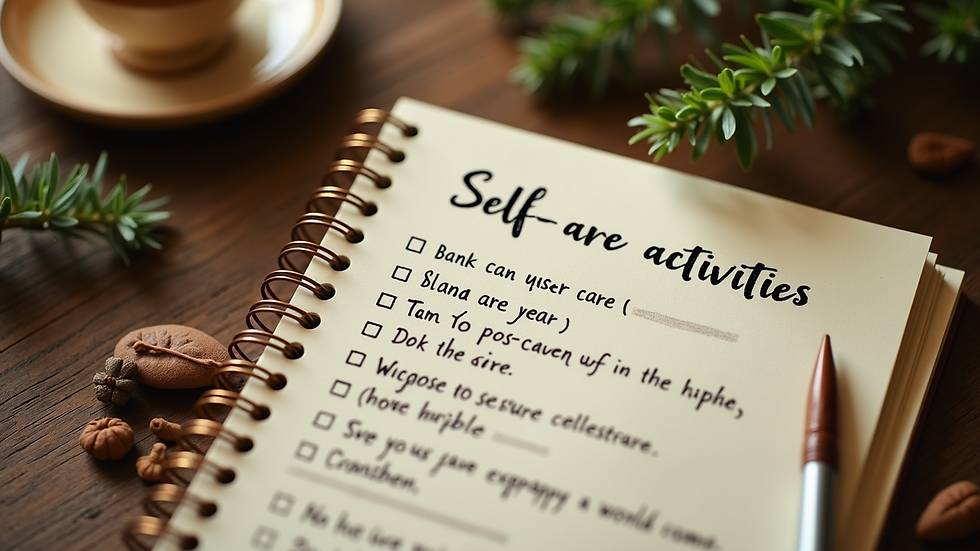
Practice three acts of self-care daily: These can be anything from taking a walk, journaling, or simply resting.
This rule isn’t about strictness. It’s about creating a routine that supports your body’s needs and your emotional well-being. It’s a gentle framework to help you move forward without pressure.
Try it out and see how it feels. Adjust it to fit your life and needs.
Why Honesty and Authenticity Matter in Recovery
One thing I’ve learned is that being honest with yourself is crucial. Recovery isn’t about pretending everything is fine or hiding your struggles. It’s about facing your feelings head-on, even when it’s uncomfortable.
Authenticity means:
Acknowledging your fears and setbacks.
Celebrating your progress, no matter how small.
Being real about what you need and asking for it.
This raw honesty helps you break free from shame and isolation. It connects you to your true self and to others who understand.
Remember, recovery is your story. Own it, with all its ups and downs.
How to Stay Motivated When Recovery Feels Hard
Let’s be real - recovery can be exhausting. Some days you’ll feel like giving up. That’s normal. Here are some ways to keep going when motivation dips:
Remind yourself why you started: Write down your reasons for recovery and read them when you need a boost.
Celebrate small victories: Every meal eaten without guilt, every kind thought about yourself counts.
Create a recovery mantra: Something simple like “I am enough” or “Progress, not perfection.”
Connect with others: Sharing your journey can renew your strength.
Allow yourself rest: Recovery isn’t about pushing harder all the time. Sometimes, slowing down is the best thing you can do.
If you ever feel stuck, remember that overcoming eating disorders is possible. You’re not alone, and help is out there.
Embracing a New Relationship with Food and Your Body
At the heart of recovery is learning to live without fear or shame around food and your body. This means:
Letting go of dieting mentality: No more counting calories or restricting foods.
Listening to your body’s signals: Hunger, fullness, cravings - they all have meaning.
Finding joy in movement: Exercise that feels good, not like punishment.
Practicing body neutrality or positivity: Appreciating what your body can do, not just how it looks.
This shift takes time. Be patient with yourself. It’s okay to have bad days. What matters is that you keep moving forward.
Recovery is a journey, not a destination. It’s about reclaiming your life from the grip of an eating disorder and finding peace with yourself. You’ve already taken a brave step by seeking out information and support. Keep going. You deserve it.


Comments